Understanding the Benefits of Urban Green Spaces
In recent years, urban green spaces have gained increasing attention for their numerous benefits to communities. This article explores the positive impacts that parks, gardens, and natural landscapes can have on urban environments and public health.
What Are Urban Green Spaces?
Urban green spaces refer to areas within cities that are dedicated to vegetation and nature. These can include parks, community gardens, green roofs, and street trees. Research indicates that these spaces play a critical role in enhancing the quality of life for urban residents.
Health Benefits
Access to urban green spaces is linked to improved physical and mental health. According to a study published in the Journal of Environmental Psychology, individuals who live near parks and green areas report lower stress levels and a reduced risk of depression. This is believed to be due to several factors:
- Physical Activity: Green spaces encourage outdoor activities such as walking, jogging, and playing sports, which can help improve physical fitness.
- Mental Restoration: Natural environments have a calming effect, providing a respite from the hustle and bustle of urban life.
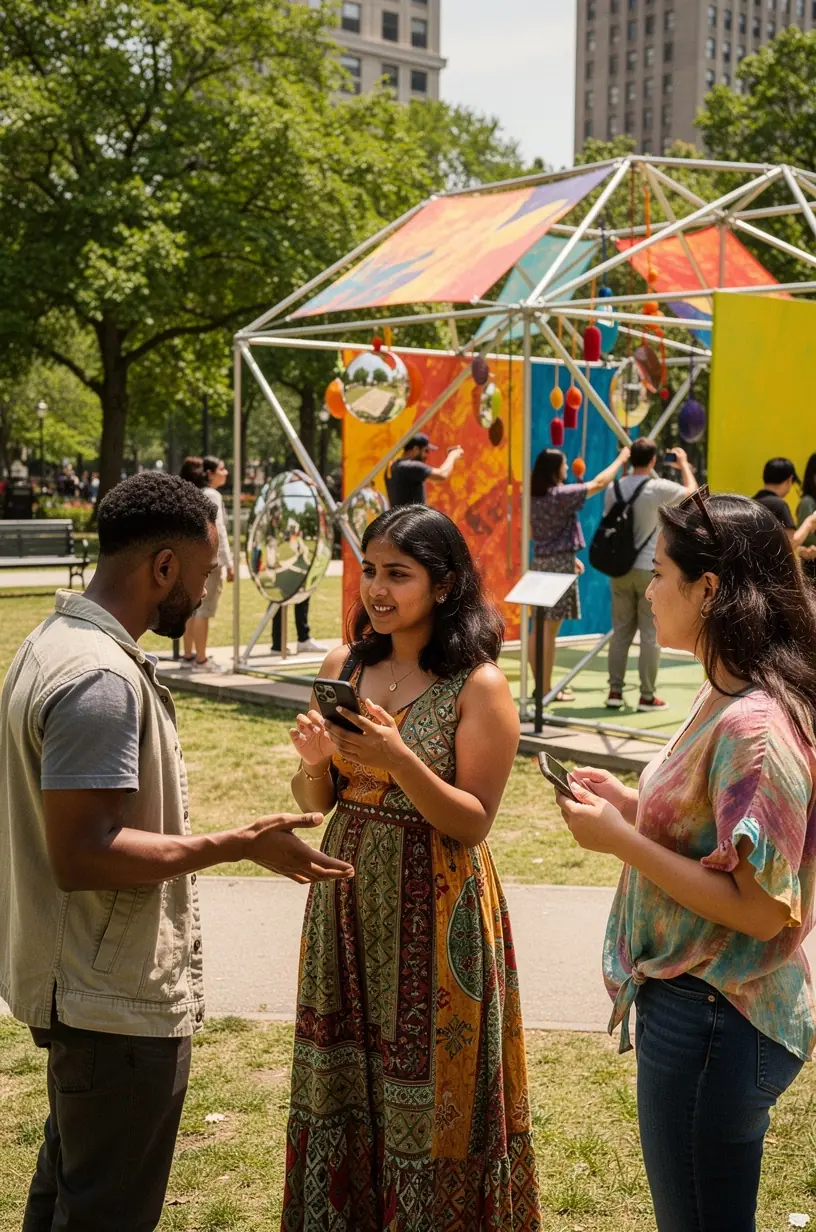
- Social Interaction: Parks and gardens serve as communal hubs where people can gather, fostering social connections that are beneficial for mental well-being.
"Urban green spaces are essential for promoting public health and well-being, acting as natural antidotes to the pressures of city living." - Urban Planning Expert
Environmental Benefits
Urban green spaces also contribute significantly to environmental sustainability. They can help mitigate the effects of urban heat islands and improve air quality. For instance, trees and plants absorb carbon dioxide and other pollutants, providing cleaner air for city dwellers. A study by the National Urban Forestry Council found that urban forests can reduce air pollution by up to 60% in highly populated areas.
Economic Advantages
The economic impact of urban green spaces is often overlooked. Properties located near parks generally have higher market values. Research indicates that residential properties within 1,000 feet of a park can sell for 5-15% more than comparable homes further away. Additionally, green spaces can attract tourism and create job opportunities related to park management and maintenance.
Challenges and Considerations
While the benefits are clear, developing urban green spaces involves challenges. These can include:
- Maintenance Costs: Ongoing upkeep requires resources and financial commitment from local governments.
- Space Constraints: In densely populated areas, finding available land for green initiatives can be difficult.
- Community Engagement: Successful projects often depend on community involvement and support, which can vary.
Conclusion
Urban green spaces are invaluable assets for cities across the United States. They offer essential health, environmental, and economic benefits that can enhance community well-being. By recognizing their importance and addressing the challenges associated with their development, cities can create vibrant, healthy urban environments for all residents.