Practical Approaches to Conflict Resolution in Neighborhoods
Conflict is a common occurrence in neighborhoods, whether it's noise complaints, property disputes, or differences in opinions about community issues. Understanding effective methods for addressing these conflicts can lead to stronger relationships and a more harmonious community environment.
Understanding the Basics of Conflict Resolution
Conflict resolution refers to the methods and processes involved in facilitating the peaceful ending of conflict and retribution. According to research, effective conflict resolution can positively impact community dynamics, fostering a sense of collaboration and trust among residents. Many experts recommend focusing on communication as a foundational skill in resolving disputes.
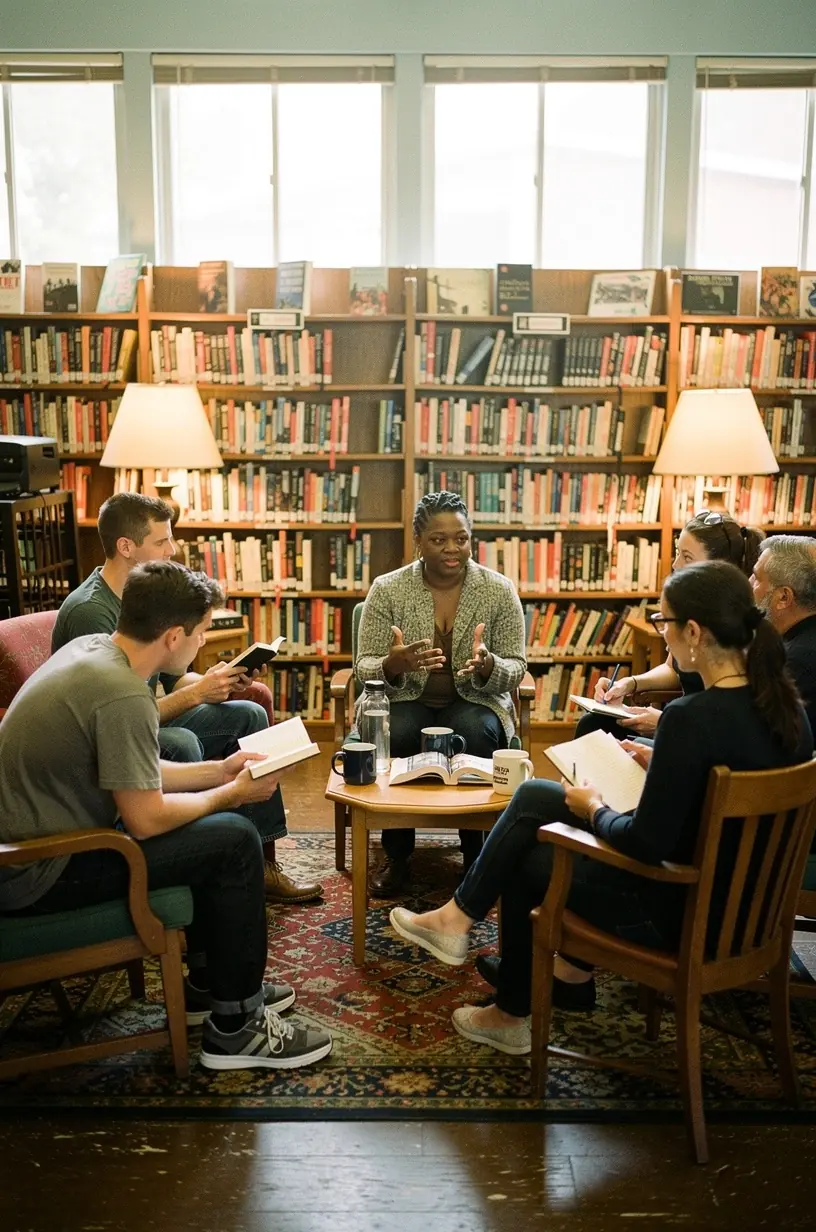
"Effective communication is the cornerstone of conflict resolution; it helps clarify misunderstandings and fosters mutual respect."
Key Strategies for Resolving Conflicts
Here are several practical strategies that can help address conflicts in neighborhood settings:
- Open Dialogue: Initiating a conversation with the involved parties can often clarify the issues at hand. Research indicates that many conflicts escalate due to misunderstandings, and open dialogue helps to address these directly.
- Active Listening: Listening actively to the concerns of others can demonstrate respect and willingness to understand different perspectives. This approach typically requires patience and empathy, as it involves acknowledging the feelings and rights of everyone involved.
- Facilitation by a Neutral Party: In cases where direct communication proves challenging, involving a neutral facilitator can help. Studies show that mediation from an unbiased third party often leads to more satisfactory outcomes, as they can help structure the conversation and keep it constructive.
Implementing Conflict Resolution Strategies
Implementing these strategies requires effort and a willingness to engage with others. Typically, establishing a community dialogue may take several weeks as relationships form and trust is built. Here are steps to follow:
- Identify Conflicts: Recognize and define the conflicts that need to be addressed, whether they are ongoing issues or newly arising disputes.
- Gather Stakeholders: Invite all parties involved to participate in discussions, ensuring that everyone has an opportunity to express their views.
- Encourage Solution-Oriented Discussions: Focus conversations on finding solutions rather than assigning blame. This approach often requires practice and a commitment to maintaining a constructive atmosphere.
- Follow Up: After resolutions have been proposed, it can be beneficial to check back in with those involved to ensure that the solutions are being effectively implemented and to address any lingering issues.
Conclusion
Conflicts in neighborhoods can be challenging, but they often serve as opportunities for growth and understanding. By employing effective communication strategies and engaging in open dialogue, residents can work towards resolving disputes in a manner that strengthens community ties. Remember, while conflict resolution strategies can be effective, they often require time and dedication to yield positive results.