Exploring Community Gardening Practices Across Regions
Community gardening offers a unique opportunity for individuals to connect with their neighbors while promoting sustainable practices. In the U.S., these gardens vary significantly between regions, each reflecting local conditions, cultural backgrounds, and community needs.
Understanding the Basics of Community Gardening
Community gardens are spaces where residents come together to cultivate plants, share knowledge, and foster community ties. According to research from the American Community Gardening Association, these gardens often lead to increased food security and improved community health.
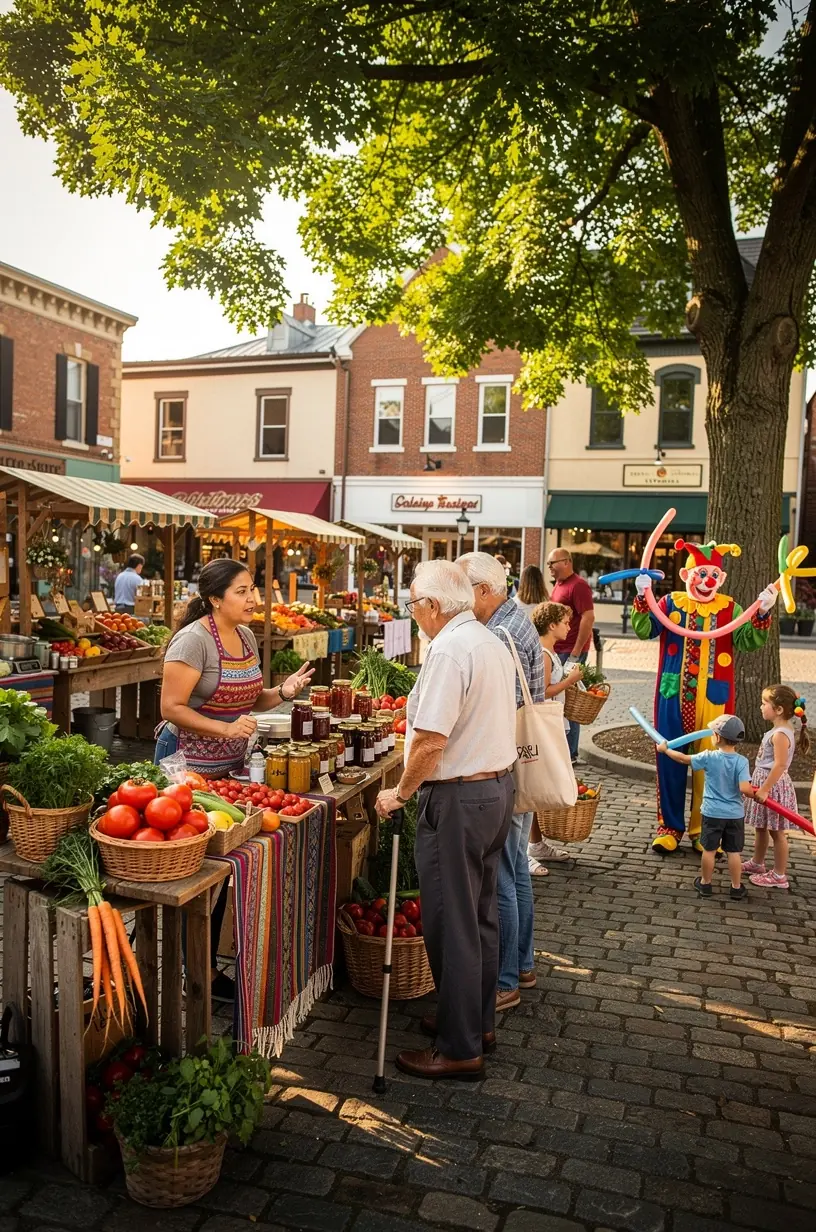
"Community gardens help create vibrant neighborhoods, providing access to fresh produce and opportunities for social interaction."
Regional Practices in Community Gardening
The approach to community gardening can differ based on geographical and climatic conditions. Here are some typical regional practices:
1. Urban Gardens in the Northeast
In cities like New York and Boston, community gardens often utilize limited space through vertical gardening techniques. This method, which involves growing plants upward instead of outward, maximizes the use of small areas.
2. Suburban Gardening Trends in the Midwest
Midwestern communities often focus on organic gardening practices. Research indicates that organic gardening can significantly enhance soil health and yield. Community members typically invest time in learning about pest management and crop rotation, ensuring sustainable practices that can last for years.
3. Drought-Resistant Gardens in the Southwest
In regions like Arizona and New Mexico, drought-resistant plants are essential. Experts recommend using native species that require less water, making them suitable for arid climates. Community gardens here often incorporate xeriscaping principles to efficiently manage water usage.
Practical Tips for Starting a Community Garden
- Engage the Community: Gather interest through meetings and surveys to ensure that the garden meets the community's needs.
- Choose the Right Location: Look for accessible areas with adequate sunlight and water supply. This typically involves a collaborative search for suitable public or private land.
- Establish Clear Guidelines: Set rules regarding plot allocation, maintenance responsibilities, and shared resources. Establishing these from the start can help avoid conflicts later on.
Conclusion
Community gardening is more than just planting seeds; it’s about fostering relationships and enhancing local ecosystems. By understanding regional practices and leveraging community knowledge, individuals can contribute to a sustainable future. Each garden, while unique, shares a common goal of building stronger, healthier communities.