Exploring Regional Arts and Crafts Traditions
The vast cultural landscape of the United States is reflected in its diverse arts and crafts traditions. Exploring these local practices not only enriches our understanding of regional identities but also fosters community engagement and appreciation. This article delves into various regional arts and crafts, highlighting their significance, methodologies, and the community involvement that sustains them.
The Importance of Regional Arts and Crafts
Regional arts and crafts serve as a reflection of local culture and history. According to the National Endowment for the Arts, traditional crafts often emerge from specific cultural and historical contexts, preserving the stories and practices of communities. For instance, Native American beadwork not only showcases artistic skills but also embodies cultural narratives and spiritual beliefs.

"Crafts are a way for communities to express their identity and share their stories." - National Craft Council
Key Regional Traditions
Appalachian Folk Art
In the Appalachian region, folk art traditions are rich and varied, often utilizing materials sourced from the natural environment. Techniques such as wood carving, quilting, and pottery are prevalent, with many artists drawing on ancestral skills passed down through generations. Research indicates that these crafts are not only artistic expressions but also vital to community cohesion and heritage preservation.
Southwestern Pottery
The Southwestern United States is renowned for its pottery, particularly that of the Pueblo tribes. Traditional methods, such as hand-coiling and natural pigment use, have been maintained for centuries. Experts in the field suggest that engaging with these practices can provide insights into sustainable art forms and community values.
Engaging with Local Traditions
To truly appreciate regional arts and crafts, individuals can engage with local artists and communities. Participation can take various forms:
- Visiting local galleries and craft fairs, which often showcase artists' work and offer a glimpse into their creative processes.
- Attending community events that celebrate local traditions, allowing for deeper understanding of the cultural significance behind the crafts.
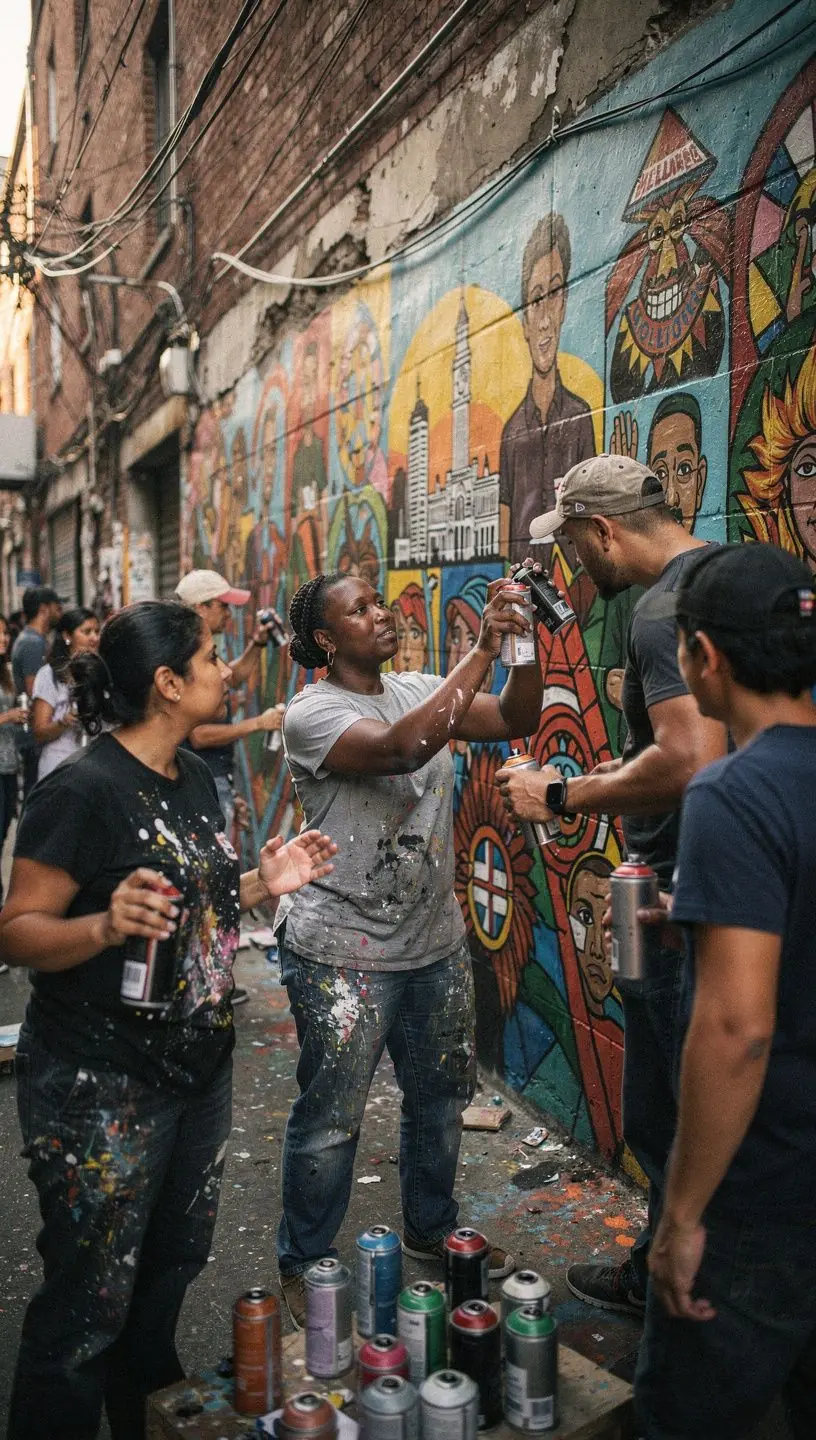
- Participating in hands-on experiences, where individuals can learn techniques directly from skilled artisans, fostering personal connections to the craft.
Challenges Facing Regional Crafts
While these traditions hold significant cultural value, they often face challenges. Market pressures, changing consumer preferences, and a decline in traditional craftsmanship skills can threaten their survival. According to studies, supporting local artisans through awareness and patronage can help sustain these vital cultural expressions.
Conclusion
Exploring regional arts and crafts traditions offers a doorway into the intricate tapestry of American culture. By engaging with these practices, individuals not only gain insights into local histories but also contribute to the preservation of these invaluable community assets. Understanding the methodologies and narratives behind these crafts fosters a deeper appreciation and encourages a collective commitment to sustaining them for future generations.