How to Foster Inclusivity in Community Events
Creating inclusive community events is essential for promoting diversity and ensuring that every voice is heard. Research indicates that inclusive practices can enhance participation and build stronger community ties.
Understanding the Importance of Inclusivity
Inclusivity in community events involves recognizing and embracing the diverse backgrounds, cultures, and abilities of all participants. According to a study by the National Endowment for the Arts, inclusive events not only foster a sense of belonging but can also increase attendance by as much as 30%. This increase is often attributed to the broader appeal that diverse programming brings.

"Embracing diversity in community events leads to richer experiences and more engaged participants." - Community Engagement Expert
Key Strategies for Fostering Inclusivity
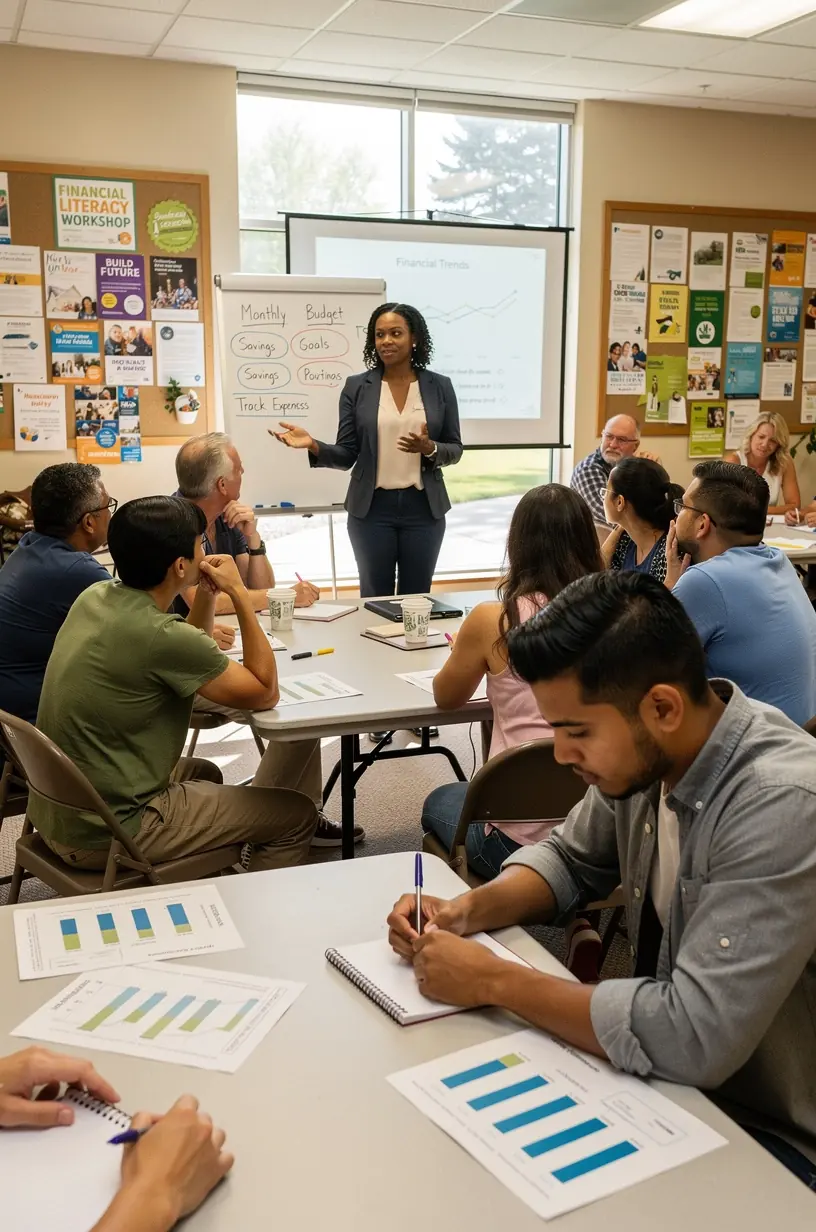
- Engage Diverse Voices: Involve individuals from various backgrounds in the planning process. Research suggests that events planned with input from diverse community members tend to attract a wider audience.
- Accessibility Considerations: Ensure that venues are accessible to individuals with disabilities. The Americans with Disabilities Act (ADA) outlines standards that can help in making environments inclusive.
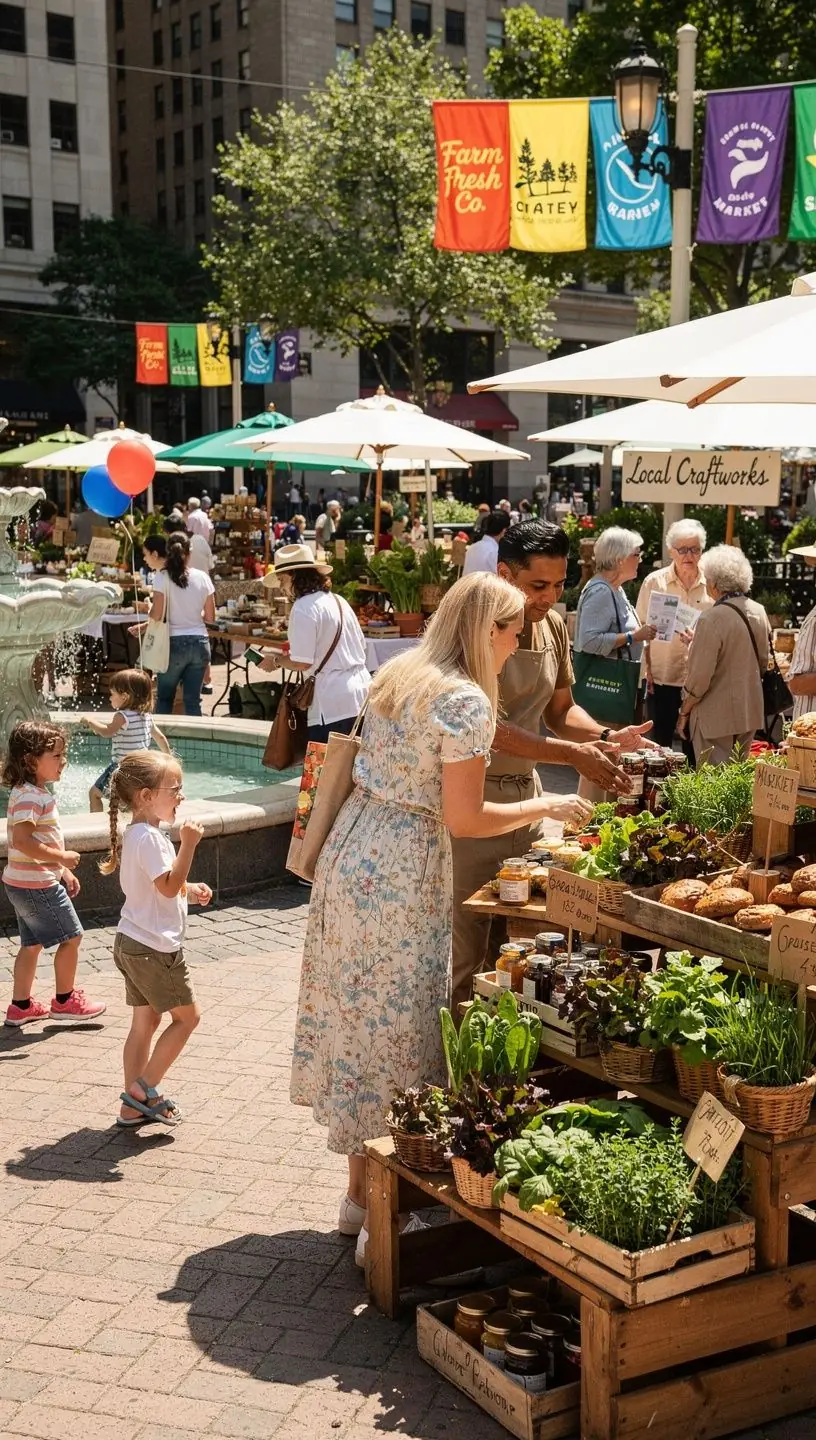
- Cultural Sensitivity: Acknowledge and celebrate cultural differences through programming. This could include showcasing local arts, traditions, or cuisines, which can resonate with a broader audience.
Creating an Inclusive Environment
To create an inclusive atmosphere, effective communication is key. Experts recommend utilizing multiple channels to publicize events, ensuring that information reaches various demographic groups. Additionally, employing translators or providing materials in multiple languages can significantly enhance accessibility for non-English speakers.
Assessing Inclusivity Post-Event
After an event, gather feedback to assess inclusivity and gather insights for future improvements. Surveys can be a useful tool to understand the experiences of attendees. Research shows that constructive feedback often leads to enhanced engagement in subsequent events.
Conclusion
Fostering inclusivity in community events requires dedication and awareness. By engaging diverse voices, ensuring accessibility, and celebrating cultural differences, communities can create environments that are welcoming to all. While the effort may involve time and commitment, the benefits of a cohesive and engaged community are invaluable.
Learn More